
For organizations responsible for employees traveling around the world, one question has become increasingly important: How do you know your people are safe without making them feel as though they are constantly being watched?
The distinction matters. Modern smartphones can provide extraordinarily detailed location information. Technically, organizations can use that capability to monitor employees throughout a trip. But the fact that something is possible does not necessarily mean it represents the best approach to business travel safety.
 For most organizations, the objective is not to know where an employee is every minute of the day. The objective is to establish enough situational awareness to communicate with that employee and provide assistance when circumstances require it. That is the difference between surveillance and traveler accountability.
When designed thoughtfully, an accountability program can support an organization’s Duty of Care responsibilities while still respecting the independence and privacy of the traveler. The result is a more practical approach to travel security: one based on communication, consent, clear expectations, and response rather than continuous observation.
Accountability Starts With a Different Question
Imagine an employee traveling overseas when political demonstrations suddenly disrupt the city.
The organization does not necessarily need a minute-by-minute history of everywhere that employee has been. What the security or operations team needs to determine is much simpler: Is the employee affected? Are they safe? Can they be reached? Do they require assistance?
Those questions reveal the real purpose of traveler accountability. An effective program provides organizations with a reliable way to confirm employee status during circumstances that matter. That might include arrival at an international destination, movement into a higher-risk area, a major natural disaster, an emerging security incident, or a period of civil unrest.
This becomes particularly important when managing international travel risk. Conditions can change quickly, and a traveler’s original itinerary may no longer provide an accurate picture of where they are or whether they have been affected.
Instead of collecting location information simply because technology makes it available, organizations should begin by determining what information they actually need to protect the traveler.
Check-Ins Can Provide a Better Middle Ground
One practical approach is to establish defined check-in expectations.
A traveler might confirm safe arrival after reaching a destination, respond to a check-in request when an incident occurs nearby, or provide an update following a significant change to an itinerary. These interactions create useful points of accountability without requiring the organization to continuously monitor the employee.
This approach can also make the traveler’s role in the safety program clearer. Employees understand when they are expected to communicate and why. Security teams understand when a missed response should trigger additional outreach. Leadership can establish escalation procedures for situations in which a traveler cannot be reached.

A check-in is therefore more than a button inside an application. It is part of a communication process. Solutions such as FoneTrac can support this model by enabling Check-In requests and emergency communications between organizations and travelers. The technology creates the connection, while organizational policy establishes how that connection should be used.
Privacy Should Be Designed Into the Program
Traveler accountability works best when employees understand the purpose of the program before they travel. Organizations should be transparent about what information is collected, when it may be accessed, who can see it, and how it contributes to employee safety. These expectations should be incorporated into the broader employee travel policy rather than introduced during an emergency.
That transparency can make an important difference in employee acceptance.
A traveler who believes an application exists primarily to monitor their behavior may avoid using it. A traveler who understands that the same system allows the organization to reach them during an earthquake, transportation shutdown, medical emergency, or political unrest travel event is more likely to understand its practical value.
The goal should be proportionality: collect and use the information necessary to support safety and response without turning a travel security program into unnecessary workplace monitoring.
Privacy requirements also vary across jurisdictions, particularly for organizations with multinational workforces. Companies should ensure that their accountability practices align with applicable privacy, employment, and data protection requirements wherever their employees operate.
Accountability Becomes Most Valuable When Conditions Change
During normal travel, accountability systems may remain largely in the background. Their value becomes more apparent when something goes wrong.
Consider a major earthquake affecting a city where several employees are traveling. An organization relying exclusively on itineraries may know which hotel employees originally booked, but not whether they are still there. Phone calls may go unanswered as telecommunications networks become overloaded.
A more structured accountability process allows the organization to initiate contact, request employee status, identify those requiring assistance, and focus response efforts where they are actually needed.
The same principle applies during civil unrest, severe weather, terrorist incidents, transportation shutdowns, or other developing events. Destination intelligence can alert organizations that something has occurred; accountability helps determine whether their people have actually been affected.
This is where travel risk management moves from awareness to response.
Technology Works Best When People Know What Happens Next
No travel safety application can replace a well-designed response plan.
If an employee activates an emergency alert, someone must know what to do with it. If a traveler fails to respond to a check-in request, the organization needs an escalation procedure. If intelligence indicates that conditions are deteriorating, decision-makers need authority to recommend relocation, alter travel plans, or activate additional assistance.
The technology and the response structure must therefore be designed together.
IMG’s Risk Assessments and GlobalSecur Travel Security Consulting can help organizations evaluate destination risks and develop practical procedures around traveler communication and response. Crisis Management Support provides another layer when an incident exceeds routine travel management and requires coordinated decision-making.
FoneTrac can then support those procedures through destination alerts, Check-In requests, Panic Alert capabilities, and emergency communications.
The result is not simply greater visibility. It is a clearer path from information to action.
Build Accountability Before the Emergency
The worst time to establish traveler communication expectations is during a crisis.
Before employees depart, organizations should explain how their travel safety program works and what is expected of both the traveler and the organization. Employees should understand when check-ins may be requested, how emergency alerts work, whom to contact for assistance, and what happens if they cannot be reached.
Organizations should similarly define responsibilities internally. Who monitors an alert? When does a missed check-in become a concern? Who contacts the traveler? When should corporate security, management, an assistance provider, or emergency services become involved?
These questions transform a technology deployment into an actual employee travel safety capability.
They also help establish trust. Employees know the organization has a process designed to support them rather than simply collect information about them.
A Better Definition of Traveler Accountability
Organizations do not need to choose between protecting employees and respecting their privacy. A mature travel security program recognizes that the two objectives can coexist.
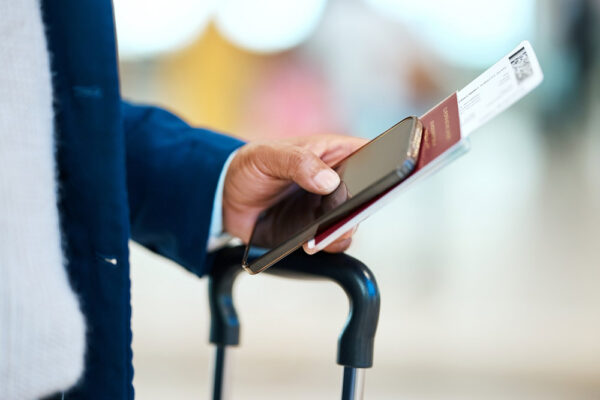 Traveler accountability should provide enough information to answer the questions that matter during an incident:
- Who may be affected?
- Are they safe?
- Can we reach them?
- And what assistance do they need?
Everything else should be driven by necessity, proportionality, and clearly communicated policy.
This approach is particularly valuable as business travel becomes more complex. Political instability, natural disasters, public health events, and transportation disruptions can develop quickly. Organizations need the ability to communicate with their people without creating an environment in which travelers feel they are under continuous observation.
The best accountability programs therefore do not simply track people. They create connections.
Strengthen Traveler Accountability Without Sacrificing Trust
Incident Management Group (IMG) and GlobalSecur help organizations build practical travel security programs around real-world risks. From international risk assessments and Travel Security Consulting to Crisis Management Support, organizations can develop policies and response procedures appropriate to their people, destinations, and operating environments.
FoneTrac supports that strategy with destination alerts, Check-In requests, Panic Alert, and emergency communication capabilities designed to help organizations maintain contact with travelers when it matters.
If your organization is evaluating how to improve traveler accountability while maintaining employee privacy and trust, contact IMG today to discuss a travel safety approach built around preparedness, communication, and effective response, not constant surveillance.